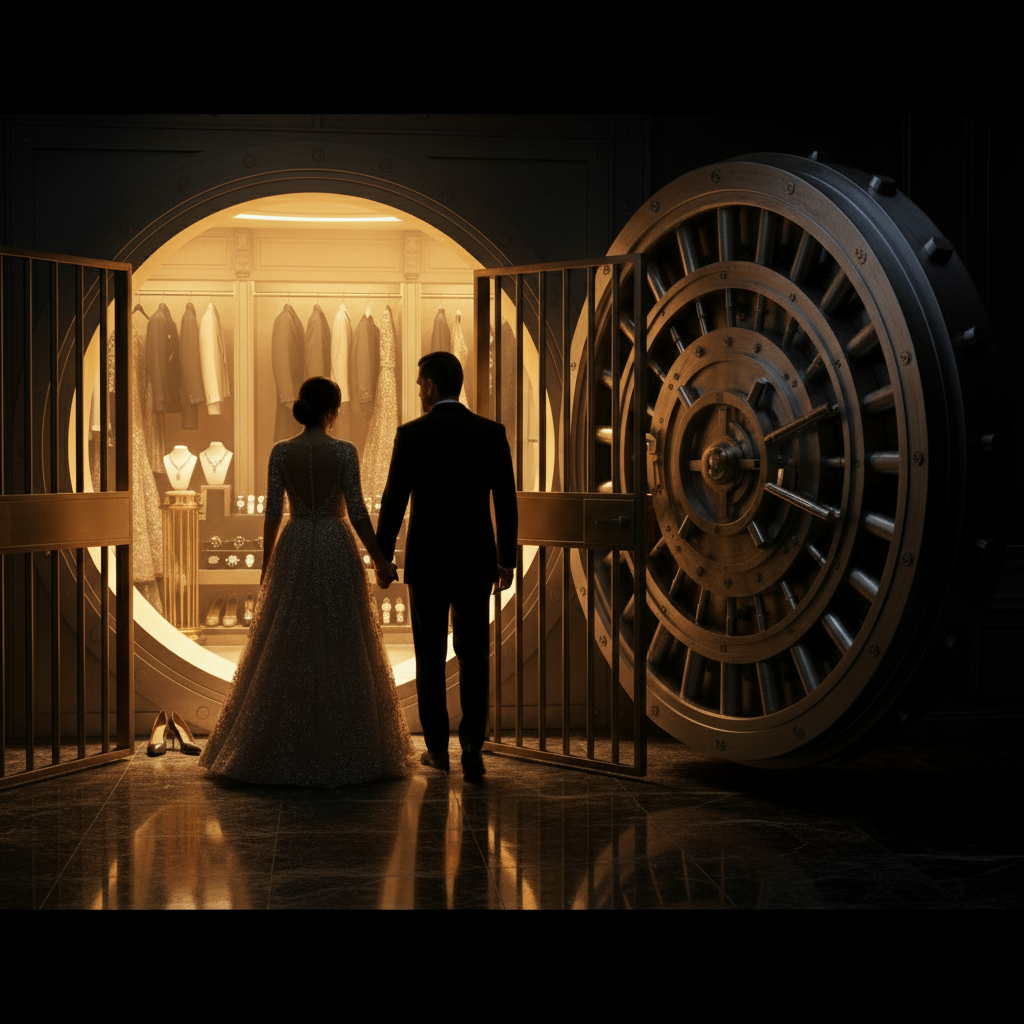


Luxury is very quickly changing, with a new household millionaire added every 30 minutes in the country. Luxury now goes far beyond expensive cars and expensive homes; the fastest-growing “luxury commodity” and “critical alternative asset class” for ultra-high net worth individuals (UHNWIs) in India is fine art.
There are trillions of dollars worth of collectible and fine art; they are seen as a secure long-term investment, or “store of value,” through difficult economic times by UHNWIs around the globe. And now, Indian collectors are adopting this trend. The art purchased by UHNWIs in India is used for more than just decorating their walls; it is also being incorporated into their much larger wealth portfolio. Market analysts are now stating that the increasingly popular alternative investment in Indian art serves as an excellent method of portfolio diversification and a hedge against the fluctuations and volatility associated with traditional equities (stocks)/debt (bonds).
The shifting wealth management landscape is evident in how the Indian art market is seeing a change in its “sweet spot”. The newly created price range of ₹1 crore to ₹10 crore has shown itself to be the fastest-growing and most dynamic, with a year-on-year increase exceeding 50%. This indicates that the middle-to-high end of the market is strong and that collectors are actively seeking out premium hard assets.
Another interesting statistic is that although there were only 1.3% of works sold for more than ₹5 crore in FY 2024-2025, they made up a staggering 40% of total turnover. This demonstrates the strong financial power of “trophy hunting” by wealthy buyers.
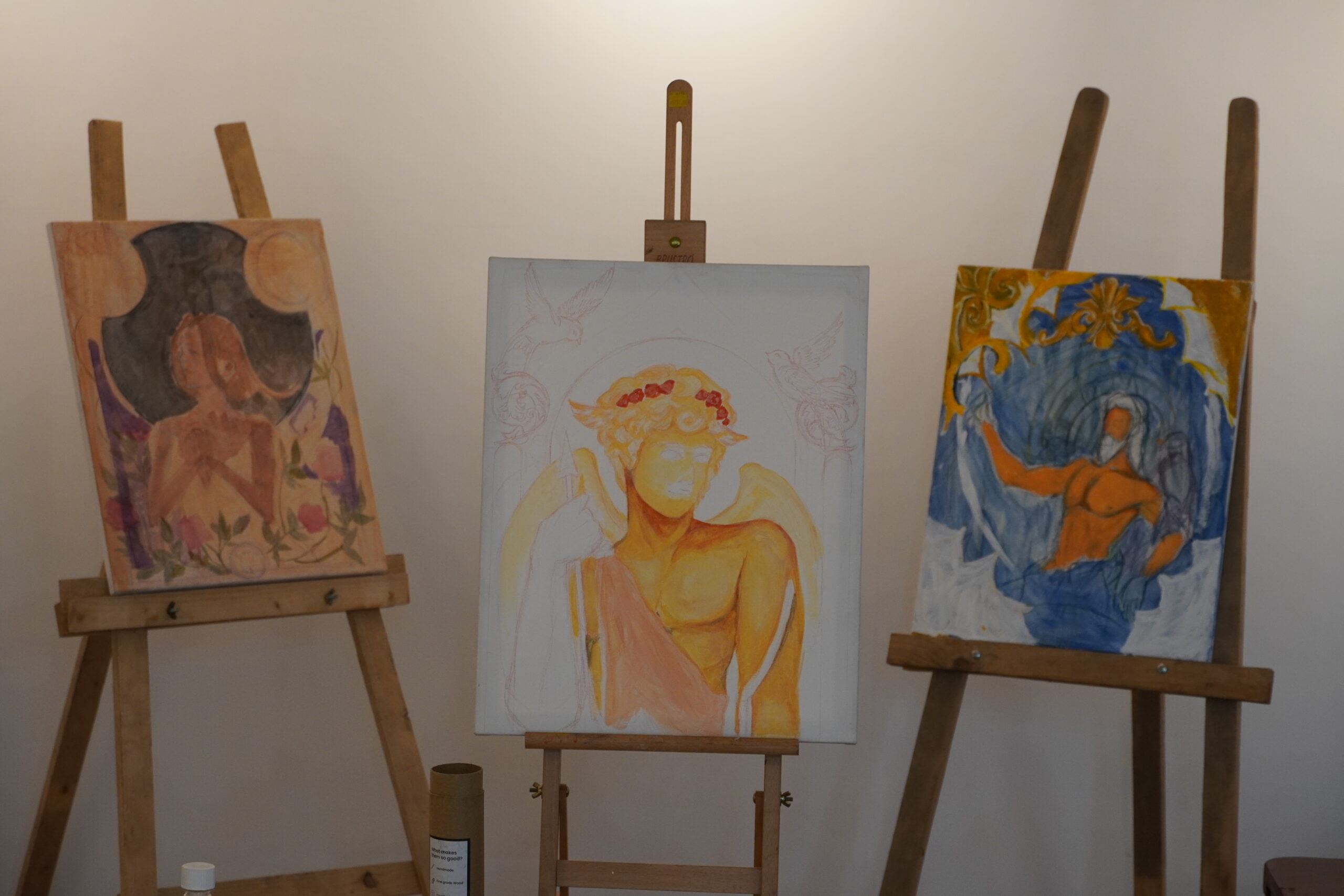
The new Indian collector is also broadening their taste. While modern artists such as S.H. Raza and F.N. Souza continue to have a strong presence in the top tier, they are showing increasing interest in diverse forms of expression. There is still strong demand for sculptures and installations as luxury items, and in the case of tribal art, there was an explosion in demand (196.6% increase) in just one year. Similarly, contemporary art grew by 31.8%, suggesting that collectors are willing to buy emerging voices and new luxury trends together with the traditional Masters.
As India’s wealth grows more and more wealthy, the convergence between art and finance will deepen. The establishment of more and more private art museums, cultural centers, and specialized wealth advisories further substantiates that Indian art has risen to the highest class of modern luxuries as a luxury asset today.
Author