



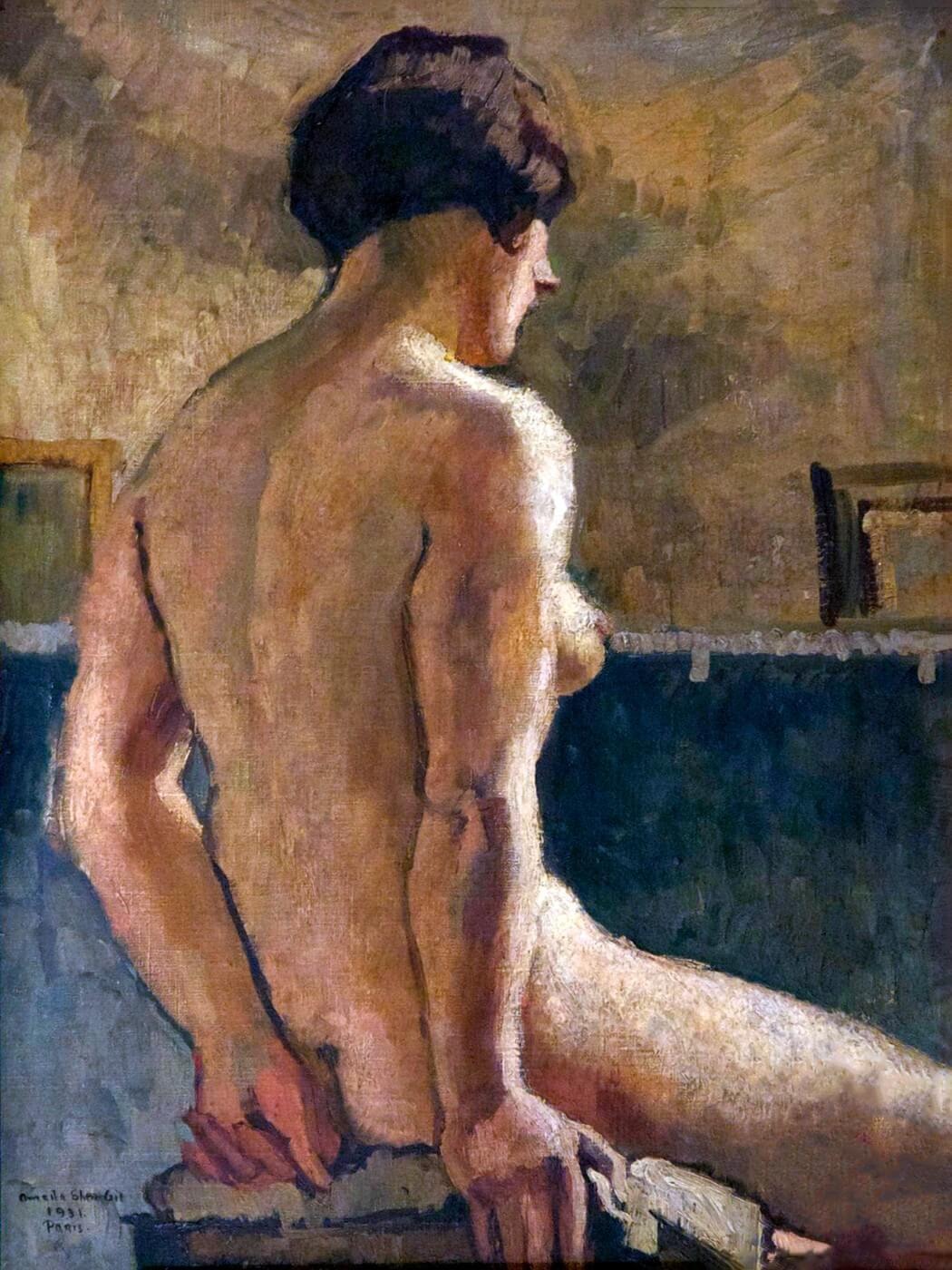
The Evolving Canvas of Nude Art in India
 Contemporary nude art in India isn’t merely about baring the body—it’s about baring truth. It asks what it means to be seen, to be vulnerable, and to belong in a rapidly changing society. By blending ancient openness with modern boldness, today’s Indian nude art pushes boundaries while holding a mirror to the nation’s evolving identity.
Nude art in India is experiencing a powerful resurgence—one that blends ancient tradition with a bold, contemporary voice. For a culture that once celebrated the human body as divine, the revival of nude art today reveals not rebellion but reconnection. As modern India grows more expressive, the nude form has re‑entered conversations about aesthetics, identity, and cultural confidence.
A Timeless Legacy Rooted in Tradition
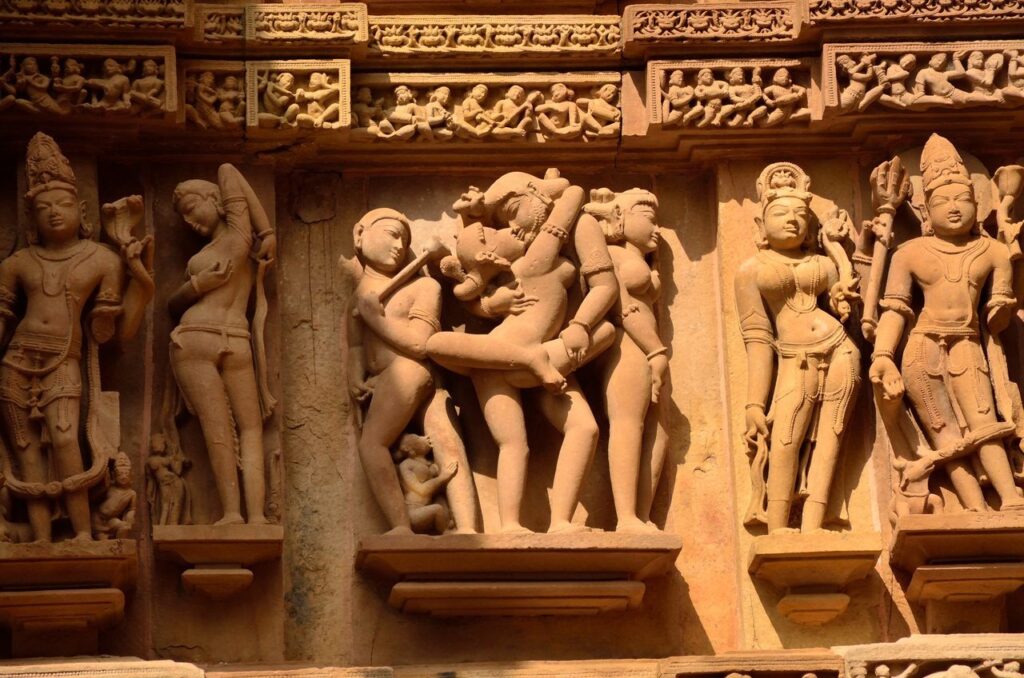
Contrary to the modern assumption that nude art is controversial, India’s earliest artistic heritage embraced sensuality and elegance openly. Temples such as Khajuraho, Konark, and Badami
showcase sculptures that portray the human form not as provocative, but as sacred and symbolic.
Classical Indian aesthetics places śṛṅgāra rasa—the sentiment of love, beauty, desire, and sensual refinement—at the very heart of artistic experience. Śṛṅgāra isn’t merely eroticism; it is an elevated emotional state, one that folds tenderness, longing, divine union, and the sheer allure of human presence into a single, intoxicating aesthetic mood. Ancient artists understood this intimately. For them, depicting the natural, unclothed body was not an act of provocation but an act of reverence.
In temple sculpture, miniature painting, and early classical murals, the nude appears as a vessel of both sensual and spiritual energy. The human form—even rendered in stone—was believed to carry prāṇa, the breath of life. Sculptors at Khajuraho or Konark shaped hips, torsos, and limbs with the same attention to rhythm and grace that poets reserved for verse, embedding within each curve the suggestion of movement, vitality, and emotional truth. The nude was, in many ways, an embodiment of cosmic harmony: symmetrical, balanced, and serene.
Within this framework, nudity was not a departure from morality but a pathway to transcendence. The bare body symbolized abundance and fertility—echoing the earth goddess, mother figures, and generative forces that form the backbone of Indian cosmology. At the same time, it expressed joy and celebration, capturing moments of playful intimacy, quiet contemplation, and spiritual surrender. Even the divine was imagined in tender human terms: Krishna bathing, Shiva in his ascetic nakedness, celestial nymphs suspended between mortal allure and divine luminosity.
What makes śṛṅgāra particularly sophisticated is its emotional layering. It suggests desire, but never crudely. It carries sensuality, but always with refinement. It acknowledges vulnerability, but
frames it as strength. For classical artists, to depict the nude was to reveal a deeper truth—one that sits at the intersection of the physical and the metaphysical, the earthly and the divine.
Modern India: A Dialogue Between Expression and Restraint
 The 20th century brought new waves of artistic experimentation. Modernists like F.N. Souza, Tyeb Mehta, Akbar Padamsee, and M.F. Husain boldly explored nude themes—provoking admiration and controversy in equal measure. Their works questioned society’s evolving moral boundaries.
Today, the conversation has shifted. Young urban audiences, global exposure, and digital accessibility have softened earlier resistance. Nude art is increasingly recognised as a marker of sophistication and contemporary taste, rather than scandal.
Curators and independent galleries across Mumbai, Bengaluru, and Delhi now feature nude art as part of mainstream exhibitions, often highlighting its cultural and historical relevance.
The Digital Renaissance: New Platforms, New Audiences
Social media has transformed the ecosystem of nude art in India. Artists who once depended on
gallery spaces now reach global audiences through Instagram, digital auctions, and virtual
exhibitions. This shift has normalised artistic nudity while also expanding the conversation
beyond aesthetics.
Today’s nude art often aligns with:
● Body positivity and inclusivity
● Breaking beauty stereotypes
● Gender fluid representation
● Personal and political expression
● Mental health and self-acceptance
These themes resonate strongly with India’s younger generations, who view nude art as a
medium for storytelling, rather than taboo.
Social And Cultural Reception
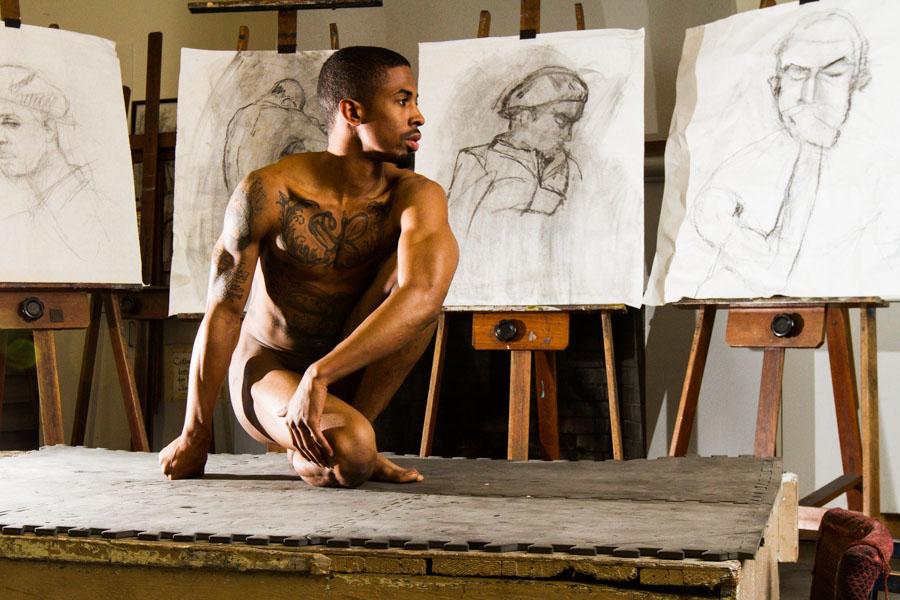
While ancient temples Celebrated sensuality, modern society views new dart as provocative or obscene. Inspite of this Indian nude art remains a powerful medium for dialogue, challenging boundaries of morality gender and spirituality .Exhibitions face occasional pushback and online platforms struggle to distinguish between artistic nudity and explicit content. Yet, this tension underscores the power of nude art—it compels society to examine its beliefs and boundaries.
As India embraces modern aesthetics, nude art is stepping confidently into homes, galleries, magazines, and design spaces. From minimalist line sketches to expressive digital paintings, the nude form has become a staple in contemporary décor and creative identity.
Boutique galleries in Goa, Pondicherry, and Bengaluru champion emerging nude artists, while interior designers use tasteful nude prints to bring depth and character to upscale living spaces.
Nude art is not about shock—it is about perspective. It represents a harmonious blend of ancient openness and modern self-expression. As the country evolves, nude art continues to reflect a society willing to rediscover its confidence and celebrate the beauty of the human form.
Author