



In a city like Bengaluru, ambition is the currency. The streets are defined by high-energy tech hubs and a progressive image, and behind this progressive city, many men are quietly reaching a breaking point. In this fast-paced ecosystem, a job title often dictates personal worth, and the pressure to balance a relentless career with financial and family duties creates a crushing, invisible burden.
In this environment, men typically don’t ask for help until they are at their lowest point-of-desperation, and their distress typically does not look like typical depression. Instead of an identifiable depression, we typically see the emotional weight in other ways: prolong irritability, sudden angry outbursts, or excessive escape from the noise by working excessively. Because these behaviours are easily misunderstood as typical corporate “stress”, the warning signs are seldom noticed by colleagues or managers until it is far too late.
This dangerous silence begins in childhood rather than the boardroom. From a very young age, boys are taught to “man up” by not being vulnerable and to practise and become self-reliant, resulting in conditioning many to believe that showing vulnerability is a sign of weakness instead of being a basic human need. Although there is now more discussion in society around work-related stress and burnout than before, there is still a large gap between being able to accept what is going on and being able to ask for help when needed. Because of this, men continue to prioritise their professional identities above their emotional wellbeing, perpetuating the cycle of regularly not seeking to get the help they need.
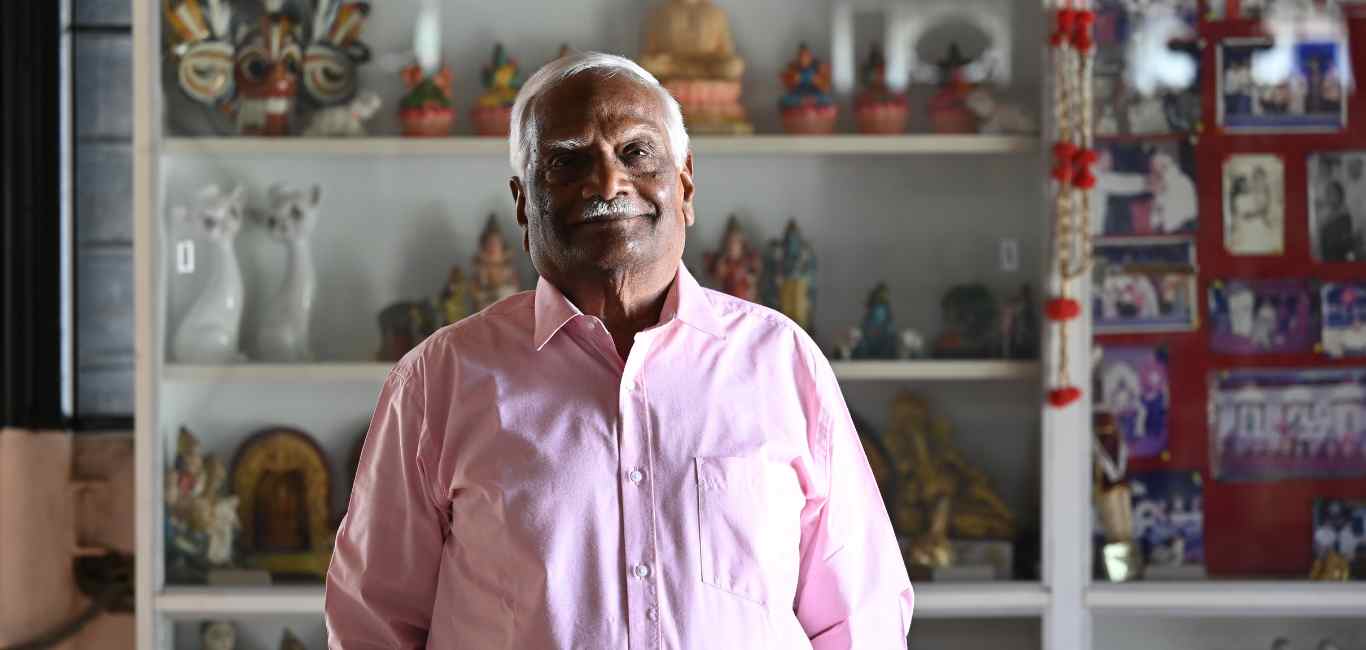
Dr C. R. Chandrashekar, fondly known as the “People’s Psychiatrist.” A Padma Shri awardee with over 50 years of experience, Dr Chandrashekar has pioneered community mental health through his Samadhana Counselling Trust Centre. In conversation with The Urbanite stated that while Bengaluru feels modern, the psychological roots of its men are often tangled in ancient, rigid social rules. According to Dr Chandrashekar, there are fundamental biological and social differences in how genders are raised: men are often conditioned to be the “dominant providers” of the house, while women are socialised toward a “soft nature” with high emotional intelligence. This creates a trap. Because society builds men up to be dominant, they develop an “ego” that views emotional vulnerability as a total loss of power.
The problem isn’t that the stress doesn’t exist; it’s that we are looking for the wrong signs. In the corporate world, we’ve been trained to look for sadness or withdrawal, but for men, the symptoms often wear a different mask. Instead of tears, distress manifests as or a growing reliance on substance use to “move on” with life rather than the going to professional centres, a irritation in meetings, sudden risk-taking, Perhaps most common in our “hustle” culture is the tendency to use the office as a shield, burying oneself in excessive work to avoid the silence of one’s own thoughts, added Dr. Chandrashekar
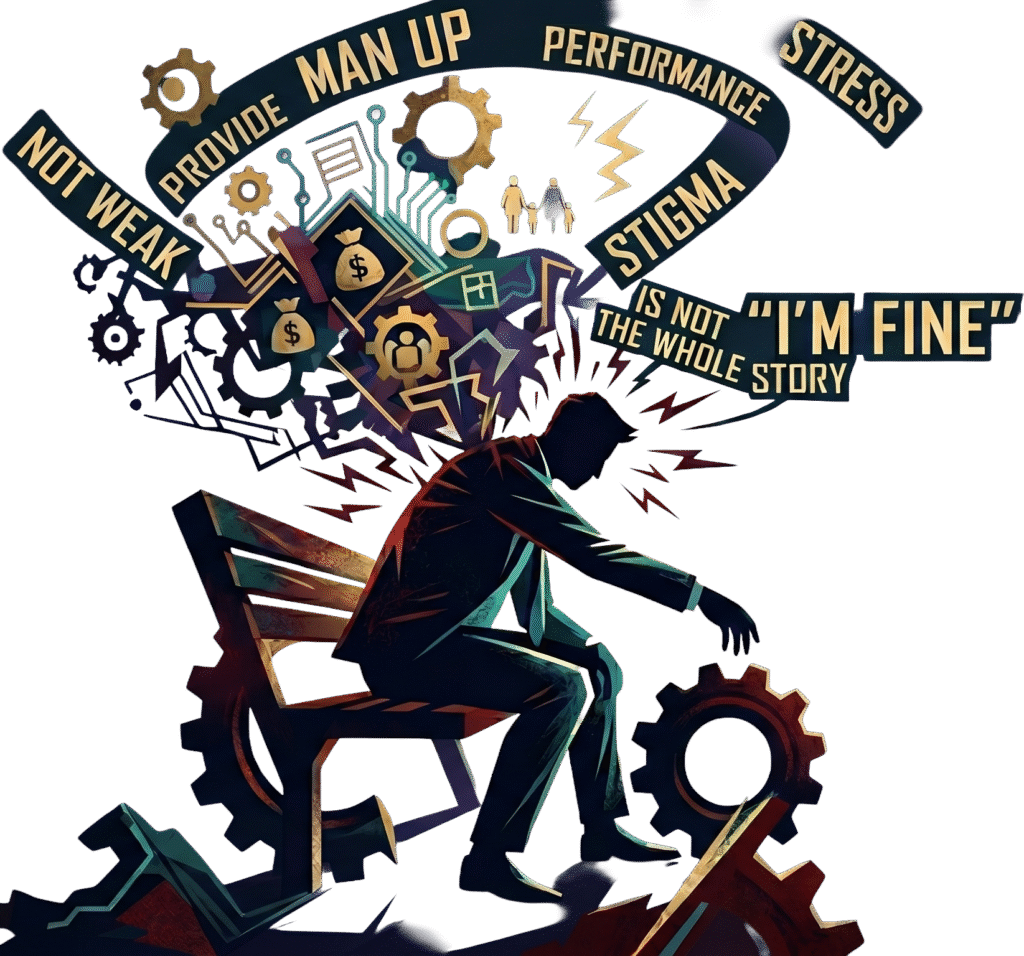
Dr Chandrashekar observes that this “ego” prevents men from seeking help. They don’t want to show weakness because they’ve been raised to believe their value lies in being untouchable. Phrases like “man up” or “be strong” teach boys that emotional expression is a sign of failure. The stigma remains a massive hurdle. He also points out that in rural areas, and even among some urban areas, mental health struggles are often attributed to the supernatural. Instead of visiting a psychiatrist, many go to temples to “get cured,” believing that anything mental health is simply “madness.” Dr Chandrashekar notes a statistic from his perspective: there are only about 10,000 psychiatrists for billions of people, making the need for awareness more critical than ever. We still grapple with the ancient stigma that views mental health as “madness” or a supernatural curse to be cured at a temple rather than a clinic.
The current generation faces a unique challenge; the social media era has brought a new kind of pressure. Younger professionals often believe everything they see online, leading to a life lived through a phone screen rather than physical exploration and connection, said Dr Chandrashekar
Bengaluru does not just need more psychiatrists, though the current global shortage is a stark reality; it needs a cultural reboot. We must move toward a future where “manning up” means having the emotional intelligence to admit when the burden is too heavy. True resilience for the modern Bengaluru man isn’t found in substance abuse; it’s found in the radical act of being human. As the city continues to evolve, our definition of strength must evolve with it, from the dominant, aggressive provider to the self-aware individual who knows that seeking help isn’t a sign of weakness, but the ultimate act of survival.
Author