


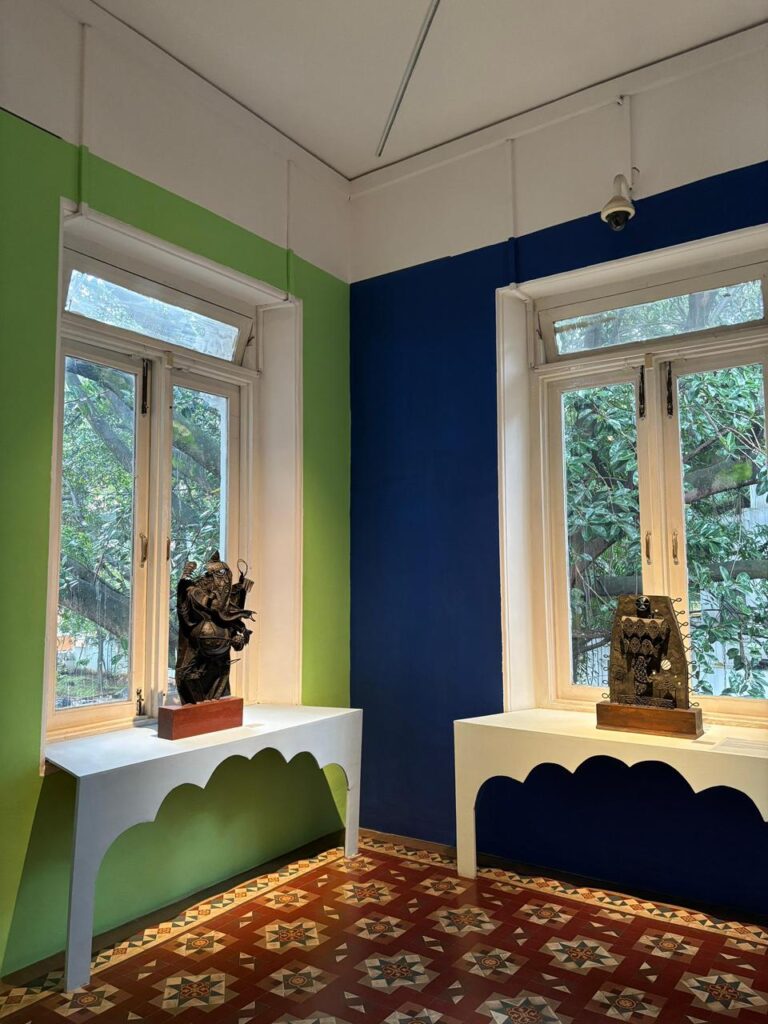
In the midst of Bangalore’s traffic and chaotic life, there is a place which is completely calm and full of stories. Located in Vasanth Nagar, The National Gallery of Modern Art is not just another museum; it’s a space where art and creativity flows through the paintings. The NGMA is situated inside the Manikyavelu Mansion, which was originally a colonial home. It is surrounded by trees, and soft sunlight and feels surreal if you visit when it is raining. It has now become one of the most beautiful places in Bangalore.

NGMA is managed by the Ministry of culture and over the years, it has been restored with so much care. It has been preserved to showcase the heritage of the country’s art and is beautifully renovated, keeping the vintage vibe and adding the modern touch to it. Walking through the wooden floors feels like you are in the late 90’s. There are several rooms with different kinds of art. There is stillness in every corner of the room, where you can stop and think.
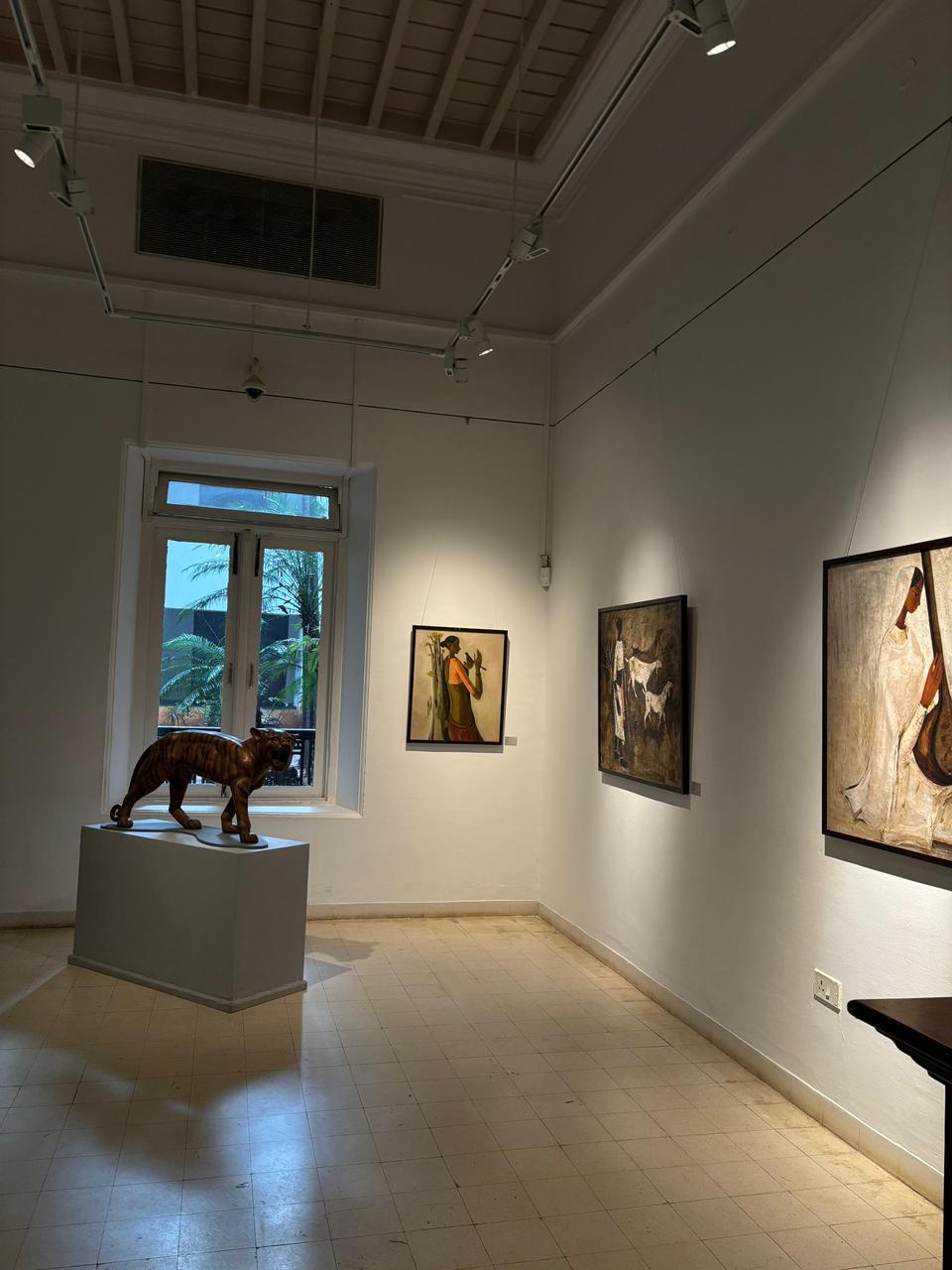
In January 2023, Air India transferred its valuable art collection to NGMA and it is called the “Maharaja collection” and it has been one of the major attractions. There are masterpieces by legends like M.F Hussain and Harish Raut showcased for the public attraction. They have posters from the mid 1900’s that show their creativity and playful imagination. They have also placed vintage photos of different countries and cities, showcasing the playful and proud Indian identity of that era. However, they have strict rules of not touching vintage items.
Bringing the Gallery alive
Youngsters, like school kids trailing behind their teachers while adoring the art. The elderly art lovers take their sweet time to go around the place and the teenagers or college students visit often to have a peaceful moment after stressful days. Pulkit Khanna, a design student, visited the gallery because his professor told him to “scroll less and observe more”. Rishika, a journalism student said “I just wanted silence so that I didn’t feel lonely,” They ended up pausing in front of the same painting and bonded over it. They end up becoming very good friends. Pulkit said “I don’t get what this means, but it’s oddly calming” Rishika laughed and replied, “Same. Maybe that’s the point… not everything needs to make sense.” That’s the magic of NGMA.
“Ever changing dynamics of art” – The Mind Behind the Museum
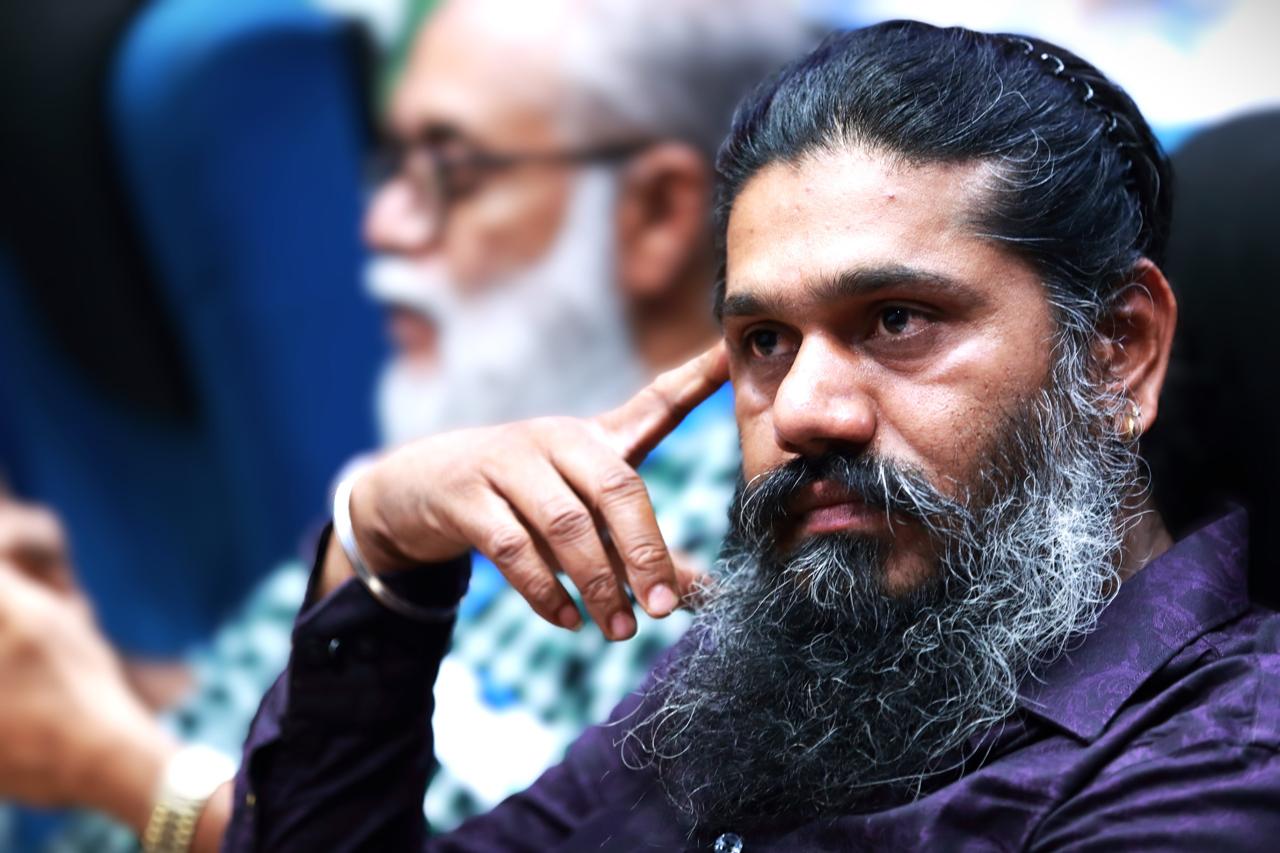
Behind the carefully curated exhibitions and visual narratives is Darshan Kumar, senior curator and museologist, who has been associated with NGMA Bengaluru for more than 15 years. Trained in painting at Chitrakala Parishath, Bengaluru, and later in Art History and Aesthetics at the Faculty of Fine Arts, Maharaja Sayajirao University, Baroda, Kumar brings both artistic sensitivity and scholarly rigour to his practice.
He was a designer in leading corporate organisations before coming into museum curation, and that legacy continues to shape his approach today. He has been assistant curator, co-curator, and independent curator for over 50 exhibitions during this time. He himself designs the exhibition layouts, banners, and visual collaterals for NGMA. “What I visualize, I can achieve”, he elaborates, explaining how design gives him direct creative control over visual storytelling in the gallery.
For Kumar, learning never stops. “Art dynamics keep changing. You have to observe, adapt, and evolve constantly,” he says. Working within a government institution has meant juggling various responsibilities, but it has also allowed him to understand museums as dynamic ecosystems rather than static display spaces.
NGMA Bengaluru Stands Apart
Kumar feels that Bengaluru centre stands out among the other NGMA branches like Delhi and Mumbai. It has horizontal architecture, an organic green environment and the weather plays an important part as well.
“The greenery here is not manicured like an urban garden,” he notes. “It has matured organically over time, like a grandmother’s warmth. You love it not because it is new or flashy, but because it carries age, memory, and comfort”. This gives NGMA Bengaluru a character through quiet intimacy between architecture and landscape.
Artists, exhibitions and visual narratives
The permanent collection at NGMA has a wide range of paintings, and it is an emotional experience to go through. B. Prabha, a very well known artist, shares deep connections with women of India in her paintings. She was very well known for painting the struggles of Indian women. NGMA showcases her most famous work, “Women of India”, in which she shows how even a simple looking woman can carry sadness and grief. She paints her women tall and slender with eyes that tell a story. Through her art, she wanted to point to the tragedy of women, how they face struggles and fight through it, in simplest ways.
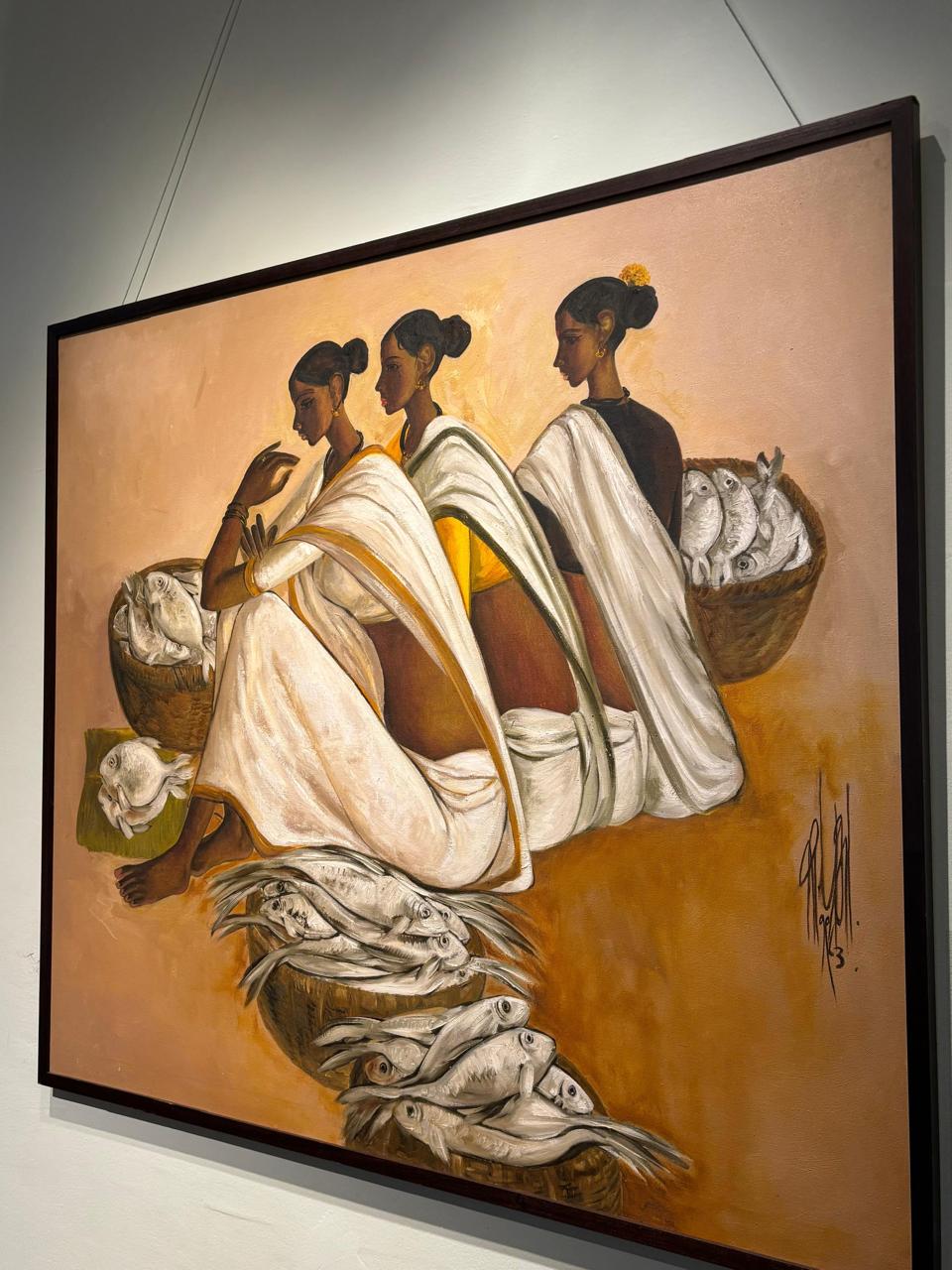
Other artists like Shakuntala S. Satpute, who portrays Indian womanhood with warmth and spirituality and Harish raut, who showcases everyday lives of the rural women, are also found in NGMA. Together, these artists create a rich space for the people to connect emotionally to the art and not just visually.
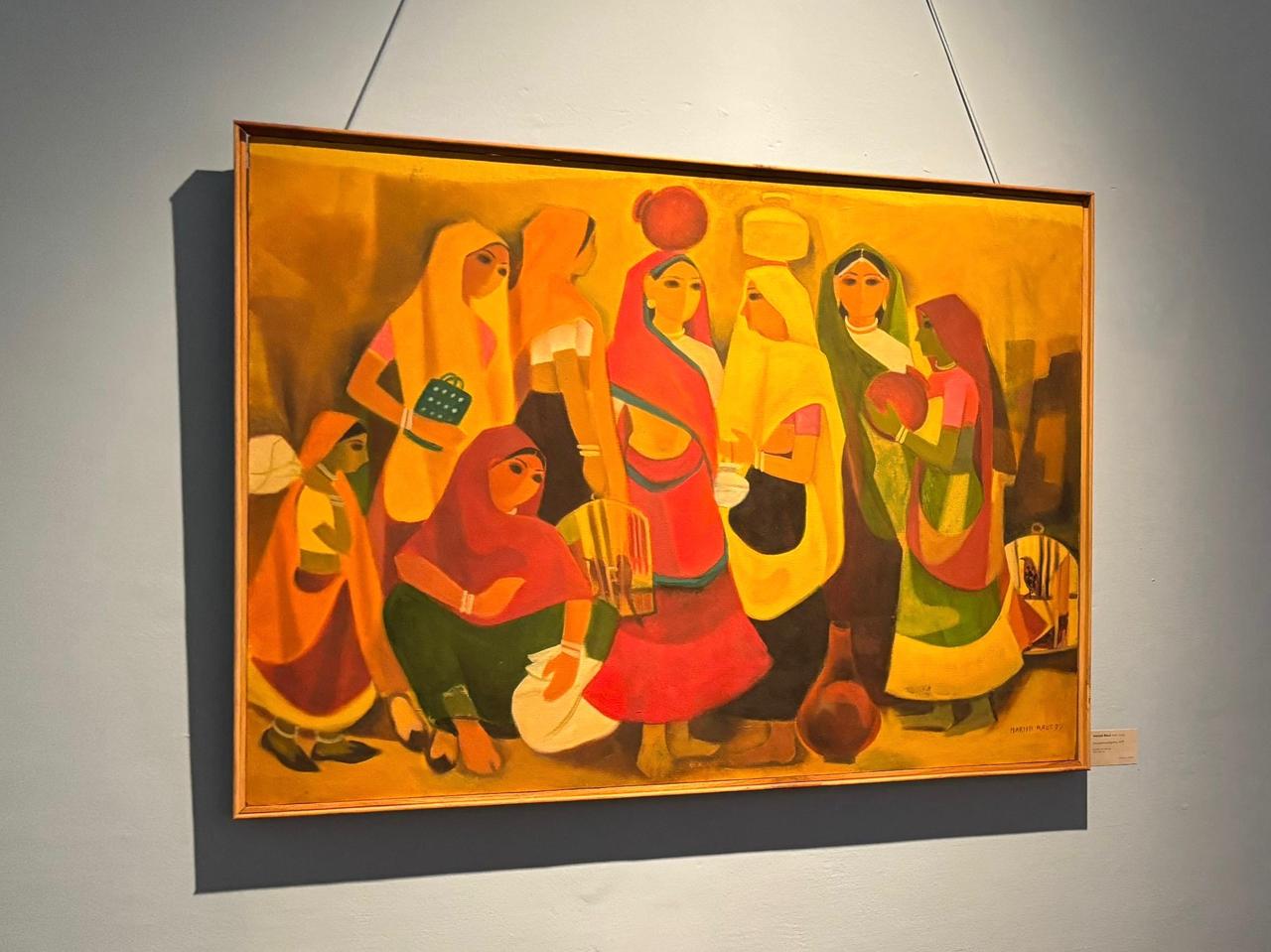
Kumar explains that his curatorial decisions focus less on the fame of artists but on the quality and dialogue between the artworks. “When two artworks are placed together, the narrative changes,” he says.
The Tactile Gallery
There is also a section where the paintings have a tactical system like braille for blind people to read about the paintings. Their efforts to make the gallery accessible for everyone is the most special part of NGMA. Many people visit the place just to feel the paintings even though they can’t see it.
A National asset
According to Kumar, the public often doesn’t realise the amount of hard work that goes into running a national gallery. Museums, in his opinion, are not just for entertainment purposes. It should be considered as the cultural assets of the nation like the roads or public transport. “Culture shapes how a society thinks,” he explains.
He also believes that citizens are also responsible for protecting both the tangible and intangible heritage preserved within these walls. “A museum survives only when people feel a sense of belonging towards it,” he says.
The Future of NGMA
As they are approaching the 18th foundation year, Kumar is preparing to curate a special exhibition titled “BIMBA”. It is a kannada word that means reflection. Scheduled in February, the exhibition will showcase the highlights from the past shows.
While cities and audiences keep evolving, Kumar believes that NGMA must hold on to its essential character. “How you consume culture changes- but culture itself should not be reduced to a trend,” he says.
A Space that Stays with you
For the first time visitors, Kumar offers simple advice: “Be yourself. Don’t try to decode. Let the space reflect you.” Standing in front of the painting, one does not feel judged but quietly transforms.
After going around the museum, you can also enjoy the cafe. It is surrounded by trees and small sculptures, a very peaceful spot to sit with a cup of coffee. While exiting, you can find a shop where you can get souvenirs like postcards, prints or books. What makes it special is that it keeps evolving and gives you a better experience each time you visit. The gallery will stay with you even long after you leave.
In the end, NGMA feels like a place where you can go to calm your thoughts and get lost in the deep knowledge of paintings. Every corner of the museum has a story to tell, even the silent halls. You walk out feeling peaceful and with good thoughts. You can visit it again and again, and each time, you will have something new to discover.
Author