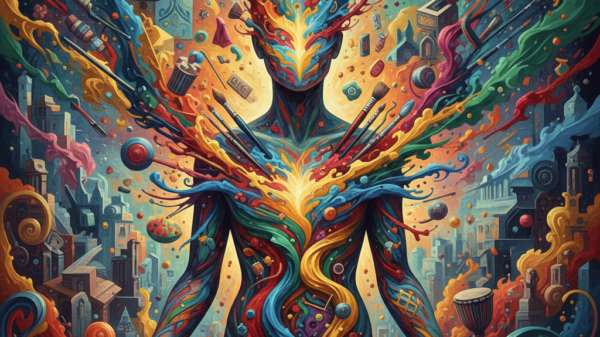



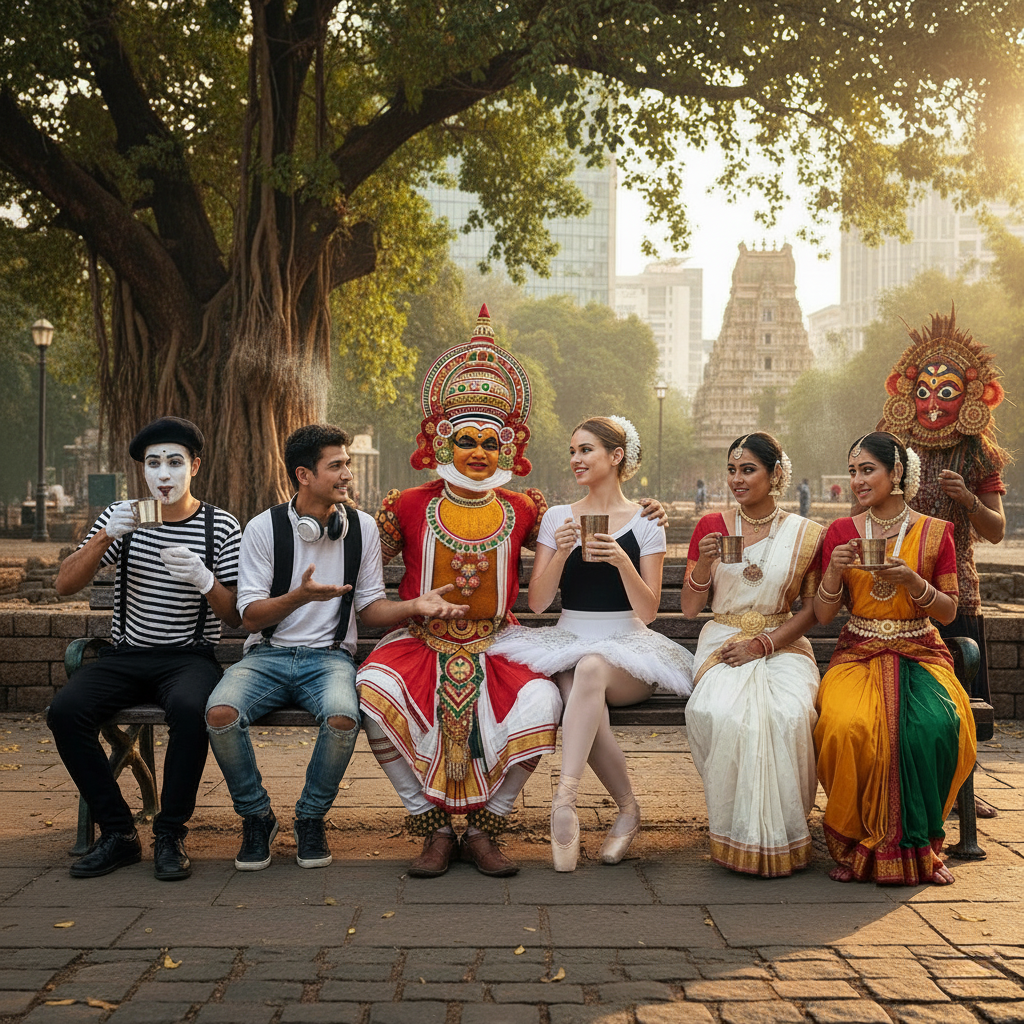
Bengaluru has never been one-dimensional. It is a city where heritage temples share space with co-working cafés, where Carnatic notes weave into electronic beats, and where century-old breakfast spots coexist with Korean ramen bars. What sets the city apart today is not just this fusion of cultures, but how its youth embrace, reinterpret, and redefine it — shaping Bengaluru into a living canvas of old meets new.
Bengaluru’s cultural foundation is rich with history — the Karaga festival winding through the city’s heart, the regal echoes of the Bangalore Palace, the calm of Lalbagh on a Sunday morning. Yet, the city’s youth don’t view tradition as something distant or rigid. For them, it’s material to remix. A Carnatic riff becomes part of a lo-fi set at a rooftop gig, a traditional handloom sari is paired with sneakers, and an ancient tale finds expression in a contemporary play at Ranga Shankara. The younger generation is ensuring heritage isn’t archived; it’s lived, reimagined, and made relevant.
Few cities embody multiculturalism the way Bengaluru does. Every street corner tells a story. The youth have grown up in this constant symphony of languages, cuisines, and styles — and they celebrate it. For them, identity isn’t rigid but layered.
The true pulse of Bengaluru’s cultural fusion lies in its creative communities. College students launch indie bands, young entrepreneurs build sustainable fashion labels, and Gen Z artists use social media to showcase mural art, slam poetry, and thrift collectives. Festivals like Echoes of Earth attract environmentally conscious youth, while flea markets across the city become stages for homegrown talent. In their hands, culture is dynamic — less about hierarchy, more about inclusivity.
For Bengaluru’s youth, food and fashion are extensions of culture. Weekend food crawls are as likely to include masala dosas at CTR as they are sushi in Koramangala or artisanal coffee in Whitefield. Thrift culture has taken off, with Gen Z shaping a fashion aesthetic that fuses streetwear with traditional Indian silhouettes. The elite younger circles, meanwhile, blend cosmopolitan luxury with local pride — preferring artisanal cocktails infused with regional flavors, or bespoke clothing inspired by handwoven fabrics.
The influence of the youth on Bengaluru’s cultural identity is undeniable. They are dissolving boundaries between high culture and pop culture, between tradition and global influence, and between exclusivity and inclusivity. For them, culture isn’t a static inheritance — it’s a playground. Their choices, from music festivals to mindful fashion, are pushing the city toward a future where culture is both deeply rooted and unapologetically experimental.
Bengaluru today is a true fusion of cultures — local and global, heritage and modernity, tradition and disruption. And for us at The Urbanite, the youth who don’t just consume culture but actively create are those who have the honour and the privilege of being at the very centre of this renaissance of humanity. They view Bengaluru as a city that belongs to them not only because of its history, but also because of the direction of its gleaming future, a future they continue to shape every day. In their hands, and through us, Bengaluru’s culture will not just be a legacy to be preserved, but a story to be constantly rewritten and born anew — vibrant, fearless, and utterly unique.
Author