



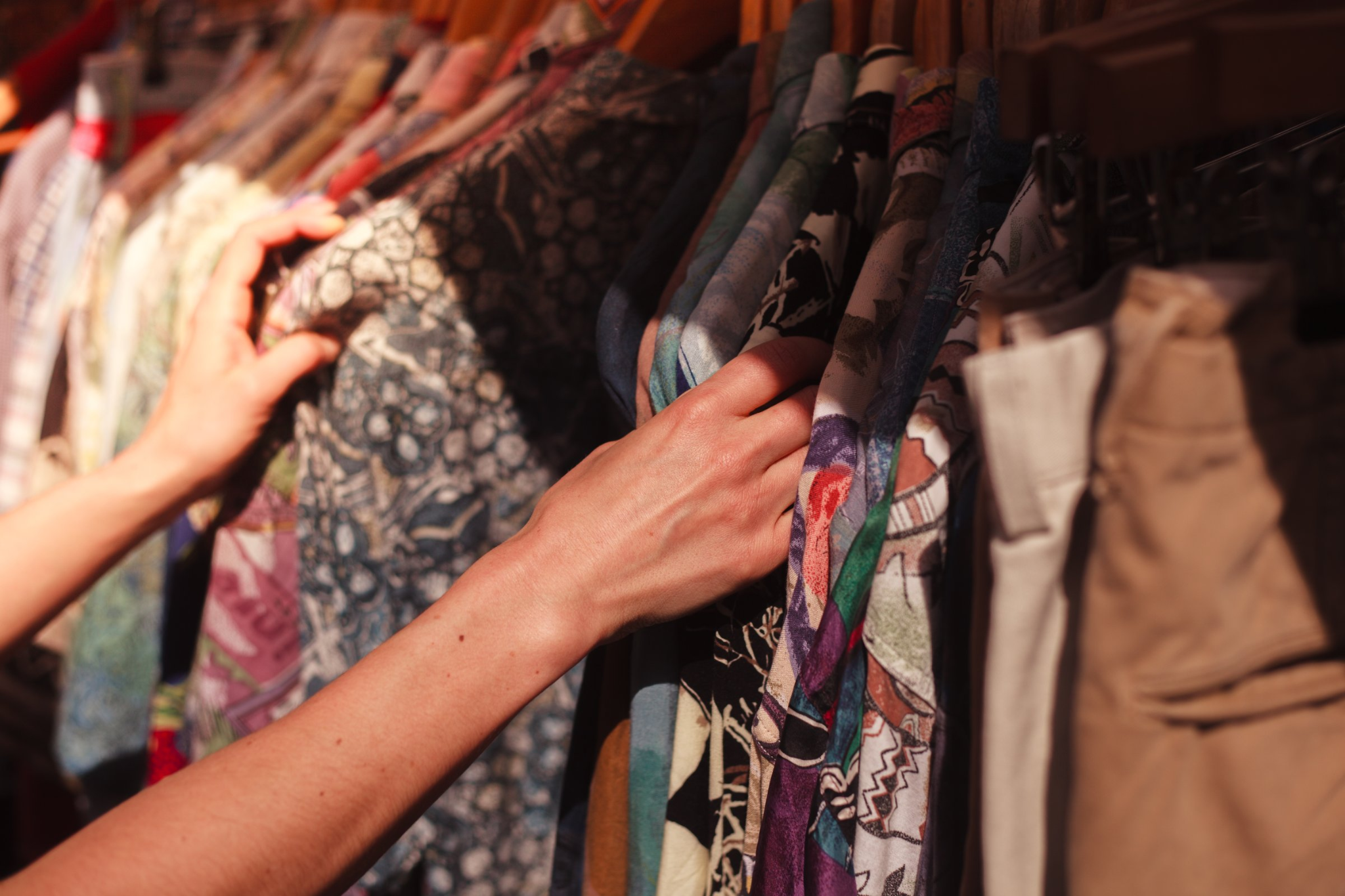
In the 2000s, the chase for designer logos and high fashion brands was the ultimate social currency, but times have changed. Today, if you ask any teenager or young adult in Bangalore, they won’t point to the mall, but rather the bustling lanes of Church Street and Chicpet market or the numerous thrift shops that have come up in Bangalore. In a world overflowing with cheap mass-produced clothing, hiding behind legacy names, disguised as high fashion, the youth are looking for something that is out of the box, new and experimental, which is exactly what thrifting offers.
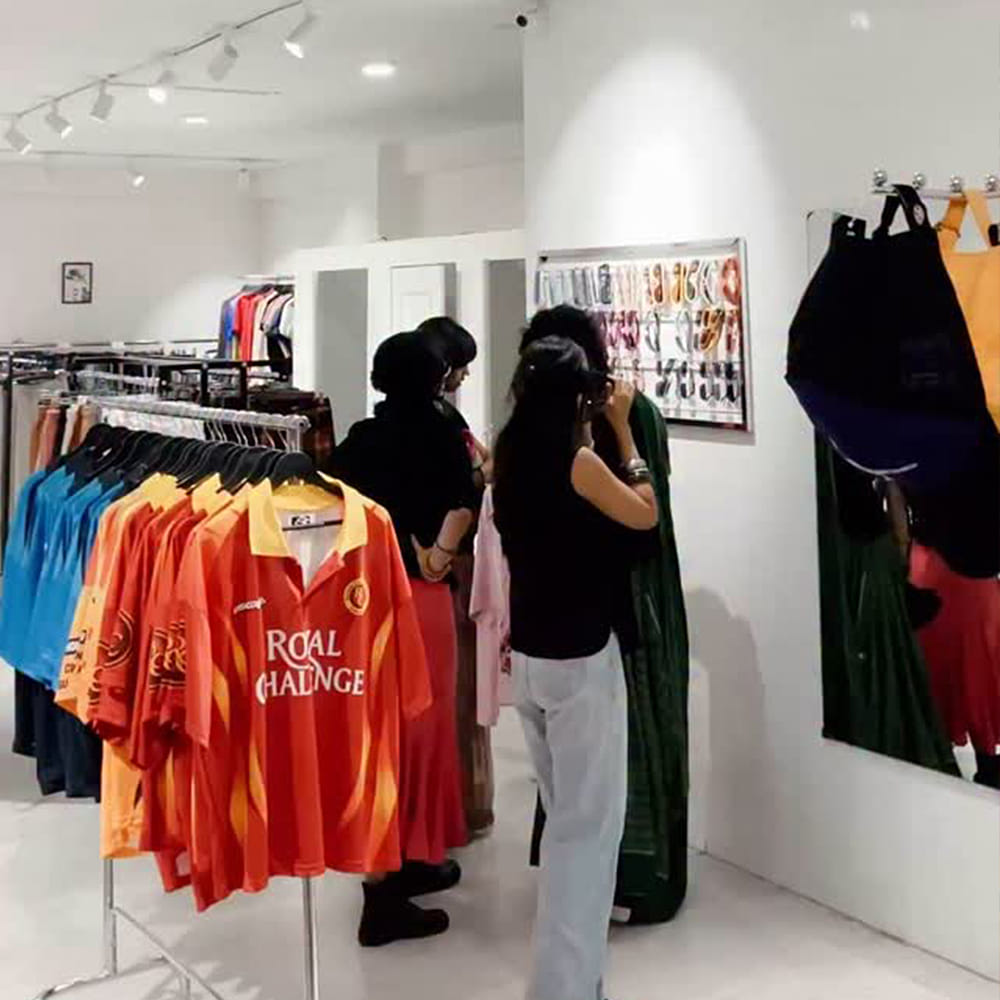
Beyond the mainstream
Thrifting has often been looked down upon in traditional Indian society, but Gen Z wants to rewrite that narrative by actively participating in the activity, as well as showing that you can have a vibrant closet that speaks to you instead of shopping at mainstream fashion brands that fail to capture the pulse of the generation. Many comment that fast fashion has become cheap copies of high fashion brands that often do not reflect the brand’s or the youth’s personality.

The digital goldmine
The rise of thrifting can also be attributed to the limelight it is taking on various social media platforms, such as Instagram and X, where fashion influencers promote thrifting as a way to be fashionable while maintaining a budget. Instagram also provides a platform to purchase second-hand, high-quality, curated pieces that often cater to different aesthetics and niches that are often not found in mainstream clothing brands. This boom has coincided perfectly with the 2000s resurgence in terms of fashion and media culture, which has reignited an interest in vintage styles and pieces that can only be found in thrift stores today.
The main character’s thrill
“You never know what you’re going to get when you thrift. It could be a one-of-a-kind vintage piece or cheap clothing from Shein. But that’s the thrill of it, you never know what you’ll find, but when you do find something that you love, something that you will never find in retail stores today, it is so worth it,” said Melisa Mathew, a regular on the Bangalore thrift circuit, sharing her experience.
The push for the environment
As a generation that is concerned about climate change and the environmental crisis, Gen Z has prioritized thrifting as a tangible way to fight back. Thrifting clothes instead of buying new ones gives them a prolonged life and prevents these clothes from ending up in the landfill. This, in turn, also reduces the amount of resources that are used up to make new clothes and helps reduce the massive carbon footprint that is produced by the fashion industry.
At the end of the day, it is clear that thrifting is not a mere trend that Gen Z is participating in, but rather a statement of independence and self-identity. They are no longer changing a logo, rather the stories behind the pieces they own.
Author